
The ongoing conflict between the United States and Iran has entered a volatile phase, raising questions about the strategic assumptions behind President Donald Trump’s military approach. What was initially projected as a swift and controlled operation is now evolving into a complex geopolitical crisis with economic, military, and political consequences.
Analysts and policymakers are increasingly pointing to three major assumptions that may have miscalculated the ground reality.
- Assumption of a Quick and Controlled Victory
One of the central expectations behind the U.S.-led offensive was that targeted strikes would rapidly weaken Iran’s military capabilities and force compliance. However, developments suggest otherwise.
Despite extensive airstrikes and operations targeting strategic sites, Iran has continued retaliatory attacks across the region. Missile strikes, attacks on energy infrastructure, and disruptions in key waterways have demonstrated that Tehran retains significant operational capacity.
Rather than collapsing quickly, the conflict has turned into a prolonged confrontation with no clear end in sight.
- Underestimating Economic Fallout
Another key assumption was that global markets—especially oil—would absorb the shock without severe disruption. That expectation has proven optimistic.
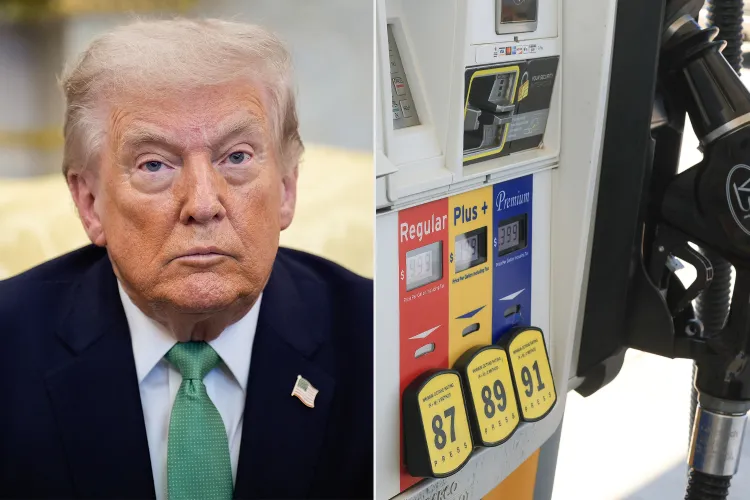
The closure and instability around the Strait of Hormuz, a vital global oil transit route, has pushed crude prices sharply higher and triggered inflation concerns worldwide.
Even President Trump acknowledged that while the impact was expected, the scale of economic ripple effects remains a growing concern. Rising fuel prices and supply disruptions are now affecting both domestic approval ratings and global economic stability.
- Belief in Strategic Alignment with Allies
The U.S. strategy has relied heavily on coordination with allies, particularly Israel. However, cracks have started to emerge.
Differences in long-term goals—such as regime change versus limited military objectives—have created friction. While the U.S. appears cautious about deeper escalation, Israel has signaled willingness to pursue broader military action.
These diverging priorities complicate decision-making and increase the risk of unintended escalation in the region.
Rising Political and Public Pressure
Back home, public sentiment in the United States is increasingly skeptical of deeper involvement. Surveys show that a majority of Americans oppose deploying ground troops, reflecting war fatigue and economic concerns.
At the same time, rising defense spending proposals and prolonged military engagement are adding pressure on policymakers.
Strategic Outlook
The conflict, which began with the aim of neutralizing Iran’s military and nuclear capabilities, is now shaping into a broader geopolitical struggle. Key risks include:
Prolonged regional instability
Escalation into a wider Middle East conflict
Continued disruption of global energy supplies
Political fallout in the United States
Without a recalibration of strategy, these initial assumptions could continue to complicate efforts to achieve a decisive outcome.
Conclusion
The Iran conflict highlights how critical strategic assumptions can shape the course of modern warfare. In this case, expectations of a quick victory, manageable economic impact, and unified alliances are being tested in real time.
As the situation evolves, the coming weeks will be crucial in determining whether adjustments in policy can prevent further escalation—or whether the conflict deepens into a long-term crisis.
